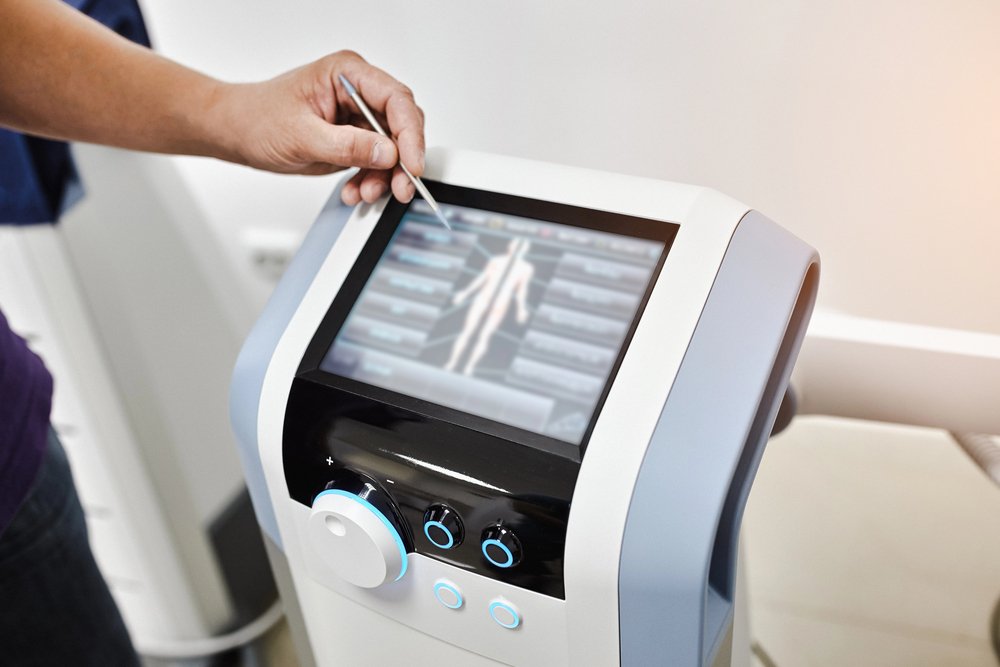
The Future of Chiropractic: Emerging Technologies and Treatment Approaches

Published on 11/12/2025

Chiropractic Technologies

You're witnessing a revolution in chiropractic care that will transform your treatment experience. AI diagnostics now create detailed models of your spine, while robotic systems deliver adjustments with unprecedented precision. Your future visits might involve virtual consultations from home and wearable devices that track your progress between sessions. These innovations aren't just improving convenience—they're fundamentally changing the science behind spinal care and what's possible for your recovery. 

AI-Powered Diagnostics and Personalized Treatment Planning


As chiropractic care evolves in the digital age, AI-powered diagnostic tools are revolutionizing how practitioners assess and treat patients. You'll soon benefit from algorithms that analyze posture, gait, and spinal alignment with unprecedented precision, identifying issues human eyes might miss.

These systems integrate data from multiple sources—imaging, movement sensors, and patient history—to create detailed biomechanical models of your body's function. They can predict how specific adjustments will affect your overall musculoskeletal system before treatment begins.

What's most exciting is the shift toward truly personalized care plans. AI doesn't just recommend generic protocols; it tailors treatments to your unique anatomy, movement patterns, and health goals. You'll receive adjustments and exercises precisely calibrated to your body's specific needs, potentially accelerating healing and improving long-term outcomes.

Virtual Care and Telehealth Platforms in Chiropractic Practice


The digital transformation of chiropractic care extends beyond in-clinic diagnostics to your home through virtual platforms and telehealth services. You'll find chiropractors now offering video consultations where they can observe your movement patterns, posture, and guide you through self-assessment techniques.

These platforms enable you to receive personalized exercise prescriptions, ergonomic advice, and pain management strategies between in-person adjustments. Many telehealth systems integrate with wearable devices to track your progress and compliance with recommended protocols.

While hands-on spinal manipulation requires in-person visits, you can maintain continuity of care through these virtual options. This hybrid approach proves especially valuable for patients in rural areas or those with mobility challenges. As reimbursement policies evolve, you'll see more chiropractors incorporating these technologies to extend their reach and effectiveness.

Robotic Adjustment Systems and Precision Instruments


Innovations in robotic adjustment technology have revolutionized how chiropractors deliver precise spinal manipulations. These robotics combine advanced sensors with mechanical precision that human hands cannot match, ensuring consistent force application regardless of practitioner fatigue.

You'll find these systems particularly beneficial for complex adjustments where precision is paramount. Instruments like the ProAdjuster and PulStar provide real-time feedback on tissue response, while robotic arms can deliver adjustments with sub-millimeter accuracy.

The integration of AI algorithms allows these systems to learn from each patient interaction, continuously improving treatment protocols. While they won't replace the skilled chiropractor, they're becoming valuable clinical tools that enhance treatment outcomes and patient comfort. For practitioners with physical limitations, these technologies extend careers while maintaining treatment quality. 

Wearable Technology for Patient Monitoring and Biofeedback


With chiropractic care evolving rapidly, wearable technology has emerged as a game-changer for monitoring patient progress between office visits. You'll now find chiropractors integrating devices like posture sensors, spinal load monitors, and movement trackers into treatment plans.

These wearables provide real-time feedback when you're slouching or moving improperly, helping reinforce proper biomechanics throughout your day. Advanced models can track your sleep positions, measure range of motion improvements, and even detect muscle tension patterns.

The data collected creates comprehensive progress reports that enhance treatment precision. Your chiropractor can adjust your care plan based on objective measurements rather than relying solely on subjective reporting. This technology bridge between appointments ensures you're maintaining alignment and practicing proper movement patterns during daily activities. 

Integrating Genomics and Biomarkers Into Chiropractic Care


Beyond tracking movement and posture, modern chiropractic care now examines your genetic makeup and biochemical indicators to create truly personalized treatment protocols. Genetic testing can identify predispositions to certain musculoskeletal conditions, allowing your chiropractor to develop preventive strategies before symptoms appear.

Inflammatory biomarkers in blood tests help practitioners determine whether your back pain stems from mechanical issues or underlying inflammation, guiding more targeted interventions. Some clinics now use epigenetic markers to track how spinal adjustments affect gene expression related to pain and healing.

You'll find personalized supplement protocols based on your unique nutritional needs and metabolic profile. This precision approach moves chiropractic beyond the "one-size-fits-all" model toward treatments that address your body's specific requirements, significantly improving outcomes for complex cases. 

© Copyright 2023 Chiropractic News. All Rights Reserved. Privacy Policy
IMPORTANT:
This website is provided for educational and informational purposes only and does not constitute providing chiropractic advice or professional services. The information provided should not be used for diagnosing or treating a health problem or disease, and those seeking personal chiropractic advice should consult with a licensed chiropractor. Always seek the advice of your chiropractor or other qualified health provider regarding a chiropractic condition. Never disregard professional chiropractic advice or delay in seeking it because of something you have read on the Chiropractic News website. If you think you may have a chiropractic emergency, call 911 or go to the nearest emergency room immediately. No chiropractor-patient relationship is created by this website or its use. Neither the Chiropractic News nor its employees, nor any contributor to this website, makes any representations, express or implied, with respect to the information provided herein or to its use.