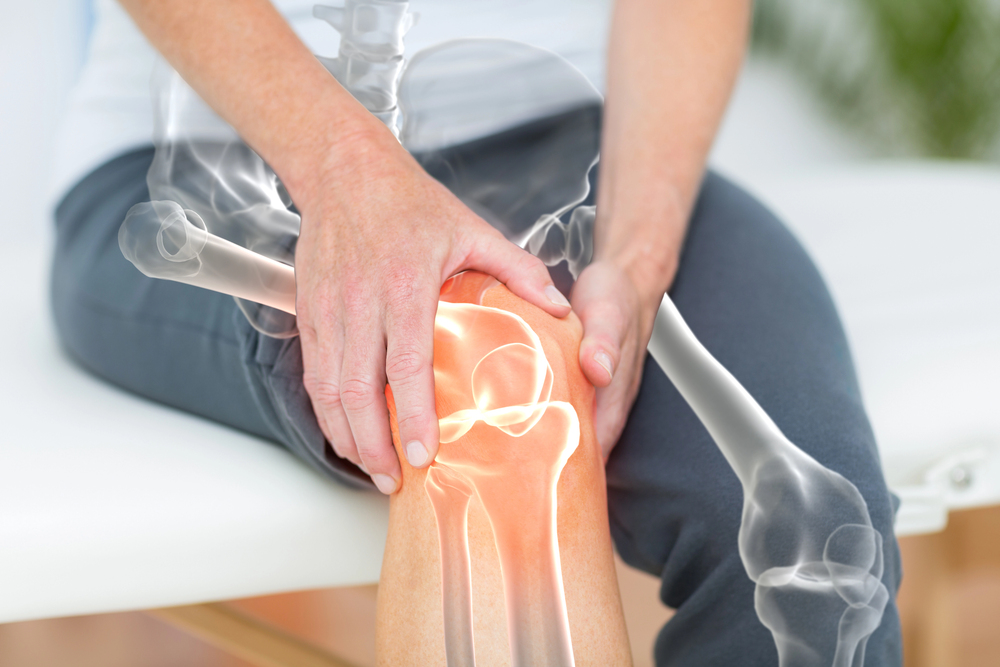
The Science Behind Weather's Impact on Joint Pain
While scientists haven't fully established the exact mechanisms, barometric pressure changes are widely believed to affect joint pain. When atmospheric pressure drops, tissues in your joints may expand slightly, potentially increasing inflammation and irritating sensitive nerve endings. This barometric sensitivity is particularly common in people with arthritis, fibromyalgia, or previous joint injuries.
Your body also responds differently to temperature fluctuations. Cold weather can increase the viscosity of synovial fluid—the lubricant in your joints—making movement more difficult and painful. Meanwhile, high humidity may trigger inflammatory responses in some individuals, especially those with rheumatoid conditions.
Blood flow changes during weather shifts might play a role too. Your vessels constrict in colder temperatures, potentially reducing circulation to extremities and intensifying discomfort in affected joints.
Barometric Pressure: Your Joints' Invisible Nemesis
Although invisible to the naked eye, barometric pressure changes can become your joints' most persistent enemy. When atmospheric pressure drops before storms, the reduced external pressure allows tissues in your joints to expand slightly. This expansion can irritate sensitive nerve endings and trigger pain, especially if you have arthritis or previous injuries.
Your body essentially functions as a barometer, detecting these subtle atmospheric shifts before you're even aware of incoming weather changes. That's why you might notice your knees aching before rain appears on the forecast. These pressure fluctuations particularly affect fluid-filled spaces in your body, including your sinuses and the synovial fluid in your joints. You'll likely feel these effects most intensely during rapid weather changes rather than consistent conditions.
How Different Weather Conditions Trigger Different Pain Patterns
Beyond barometric pressure's general effects, various weather conditions trigger distinct pain patterns in your joints. Cold temperatures cause muscle contraction and reduced circulation, intensifying stiffness particularly in knees and hips. Meanwhile, humidity often worsens inflammation in smaller joints like fingers and wrists as water retention increases pressure on nerve endings.
Rapid weather changes are especially problematic - your body lacks sufficient adaptation time, leading to heightened pain sensitivity. For example, storm fronts approaching can trigger migraines and back pain hours before rainfall begins. You'll also notice seasonal patterns: winter typically worsens osteoarthritis pain, while summer heat may aggravate inflammatory conditions like rheumatoid arthritis. Understanding your personal weather-pain connection helps you anticipate flare-ups and implement preventative measures before discomfort peaks.
Chiropractic Adjustments for Weather-Related Joint Discomfort
When weather changes trigger joint pain, chiropractic adjustments can offer significant relief by realigning misaligned joints and reducing pressure on surrounding nerves. Your chiropractor will use targeted manipulations to restore proper joint function and improve mobility affected by barometric pressure shifts.
These adjustments stimulate your body's natural healing response, increasing blood flow to weather-sensitive joints and releasing muscle tension that often accompanies climate-related discomfort. You'll typically experience immediate relief after treatment, though multiple sessions may be necessary for lasting results.
Your chiropractor can also recommend specific exercises to strengthen supporting muscles around vulnerable joints, making them less susceptible to weather changes. They'll likely suggest preventive adjustments before severe weather shifts occur, especially if you have a history of weather-related flare-ups, helping you maintain comfort despite changing conditions.
Preventative Techniques to Weather-Proof Your Joints
Preparing for seasonal weather changes can significantly reduce your joint pain with a few proactive measures. Keep your joints warm with layered clothing during cold weather, focusing on problematic areas like knees, hands, and hips. Compression garments can provide additional support while maintaining heat.
Stay hydrated even when it's not hot outside, as proper hydration helps maintain joint lubrication. Supplement with omega-3 fatty acids and vitamin D, especially during less sunny months.
Maintain a consistent exercise routine that includes gentle stretching and low-impact activities like swimming or cycling. These movements keep joints mobile without adding stress. Consider using a humidifier in your home during dry seasons to prevent joints from stiffening.
Finally, work with your chiropractor to develop a personalized prevention plan that addresses your specific joint vulnerabilities.
Nutritional Support for Joint Resilience During Seasonal Changes
Your diet plays a powerful role in how your joints respond to changing weather patterns. During damp or cold weather, focus on anti-inflammatory foods like fatty fish (salmon, mackerel), turmeric, ginger, and colorful berries. These contain omega-3s and antioxidants that reduce inflammation naturally.
Stay hydrated by drinking plenty of water, which helps maintain synovial fluid that cushions your joints. Consider vitamin D supplements during darker months, as reduced sunlight exposure can worsen joint discomfort.
Magnesium-rich foods like nuts, seeds, and leafy greens help relax tense muscles around painful joints.
Limit inflammatory triggers such as processed sugars, refined carbohydrates, and alcohol, which can amplify weather-related joint pain. Your chiropractor can provide personalized nutritional guidance based on your specific joint concerns and seasonal sensitivity patterns.
Home Care Strategies Between Chiropractic Visits
Maintaining joint comfort between chiropractic appointments requires consistent self-care, especially during weather changes that trigger flare-ups. Apply moist heat with warm showers or heating pads for 15-20 minutes to relieve stiffness during cold weather. Conversely, use ice packs for 10-minute intervals when joints feel inflamed in humid conditions.
Perform the stretching exercises your chiropractor recommended daily, focusing on gentle, sustained movements rather than forceful ones. Stay hydrated by drinking at least eight glasses of water daily to support synovial fluid production. Consider using compression gloves or sleeves during barometric pressure changes to stabilize affected joints.
Track your symptoms alongside weather patterns in a journal, noting which conditions worsen your pain. This information will help your chiropractor customize treatments and adjust your home care routine accordingly.
Exercise Modifications When Weather Affects Your Mobility
Weather fluctuations often demand thoughtful adjustments to your exercise routine, particularly when joints become sensitive to atmospheric changes. On humid or rainy days, consider moving workouts indoors where temperature and conditions remain controlled. Swimming and water aerobics offer excellent low-impact alternatives that reduce pressure on sensitive joints.
When cold weather triggers stiffness, extend your warm-up period by 5-10 minutes with gentle movements before attempting your regular exercises. If heat and humidity exacerbate your discomfort, schedule activities during cooler morning hours or split your routine into shorter sessions throughout the day.
Don't completely abandon physical activity when weather affects your joints—instead, modify intensity and duration. Even chair exercises or gentle stretching will maintain mobility while respecting your body's weather-related limitations.
Technological Advances in Chiropractic Care for Weather-Sensitive Patients
As technological innovations continue to transform healthcare, chiropractic treatment for weather-sensitive joint pain has undergone remarkable advancement. Today's chiropractors use digital pressure sensors to measure precise pain levels as barometric changes occur, allowing for personalized treatment plans tailored to your body's unique weather responses.
Thermal imaging cameras now detect inflammation patterns before symptoms intensify, helping you get ahead of weather-related flare-ups. Many practices offer smartphone apps that integrate local weather forecasts with your treatment schedule, suggesting optimal times for adjustments.
Remote monitoring devices track your joint mobility between appointments, giving your chiropractor real-time data about how weather shifts affect your body. These technologies enable more targeted interventions, from computer-guided adjusting instruments to ultrasound therapy calibrated specifically for barometric pressure sensitivity, making weather-related pain more manageable than ever before.